
CRITICAL REVIEW/ Final Major Project
Student Name: Alisha Salthill Pathway: Fashion and textiles
FMP Title: Traits
To be handed in alongside your FMP hand-in
|
1.Briefly describe the context of your project and how you used a range of critical perspectives and approaches to initiate your idea.
|
|
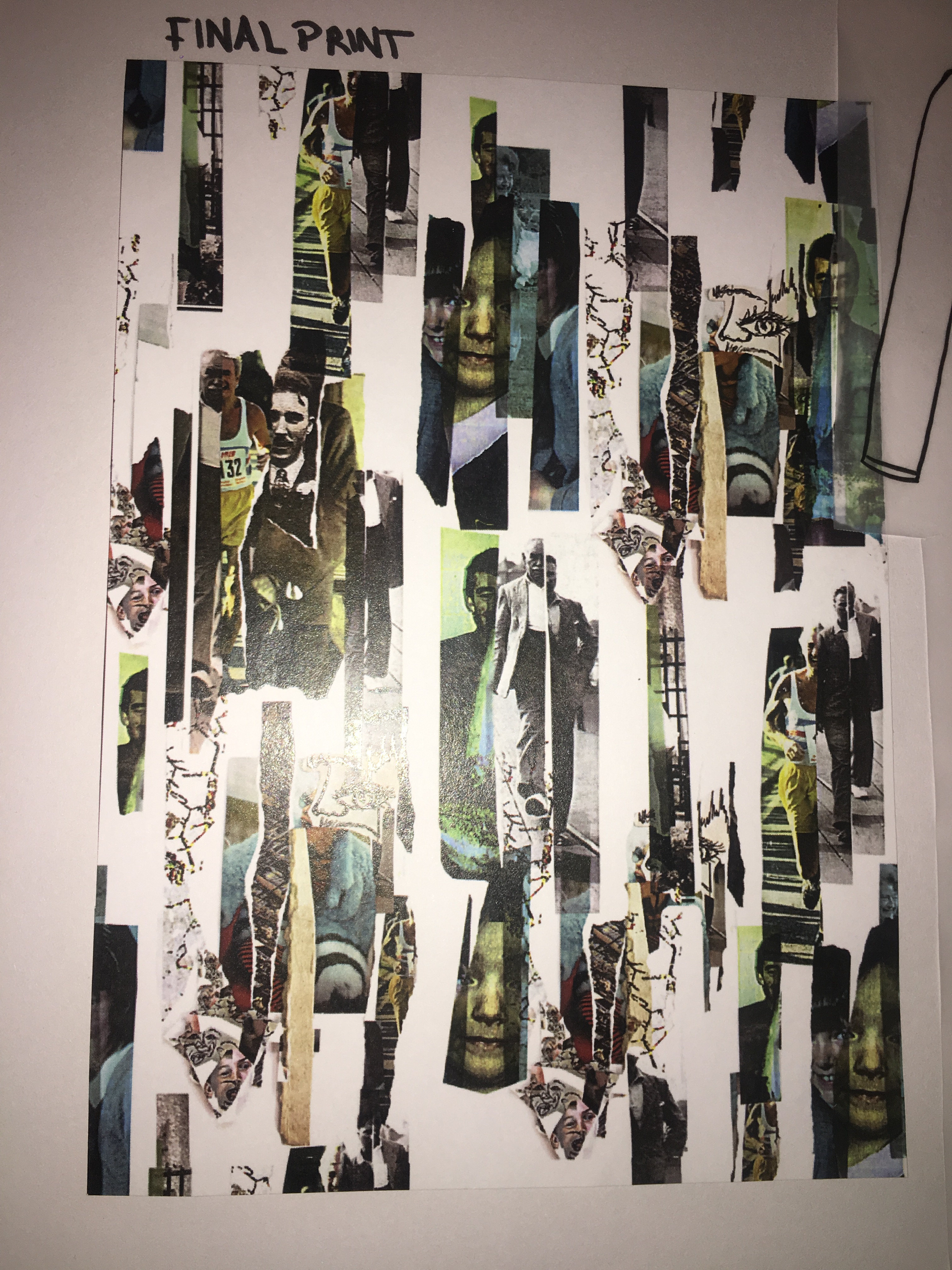
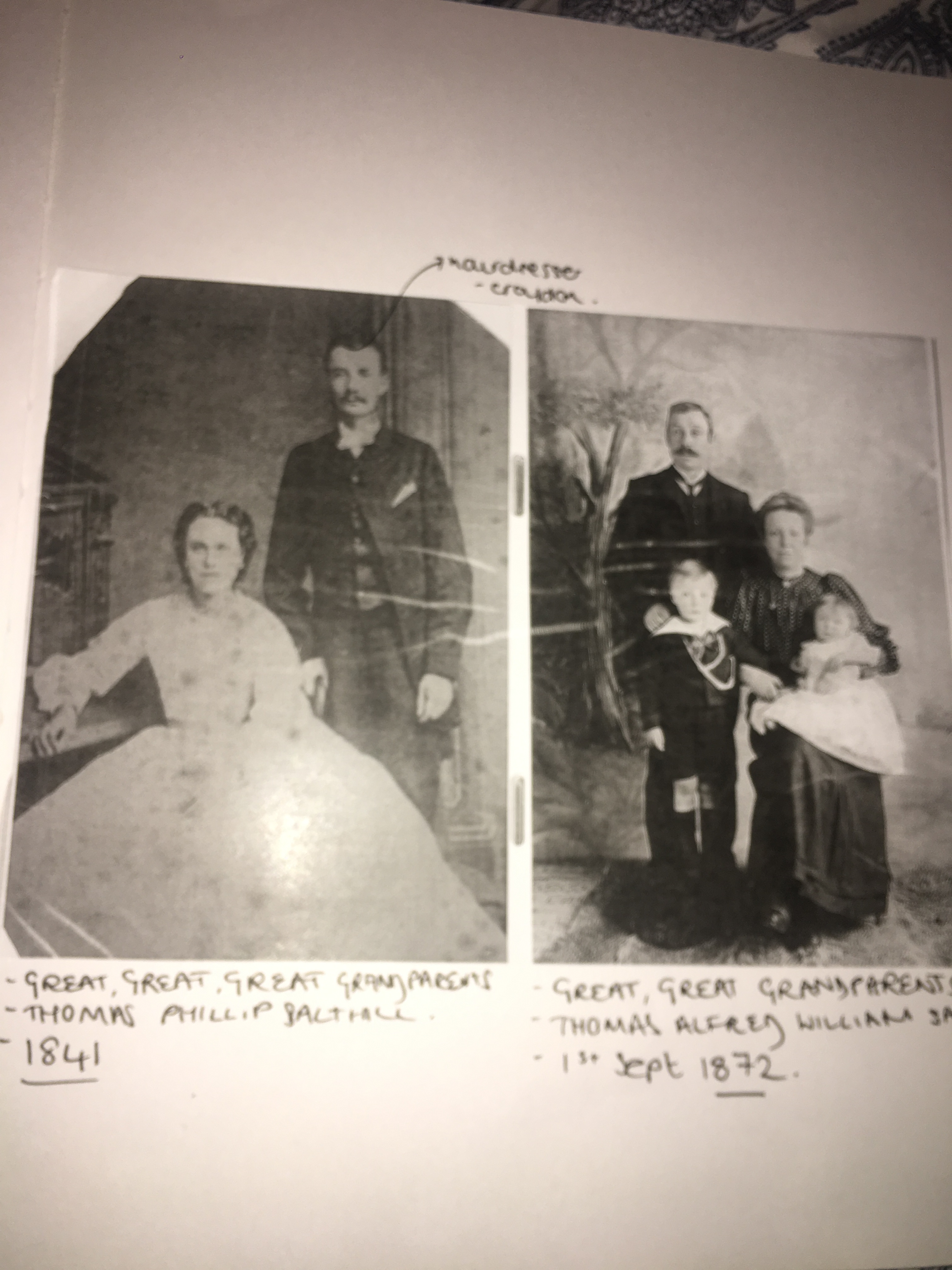
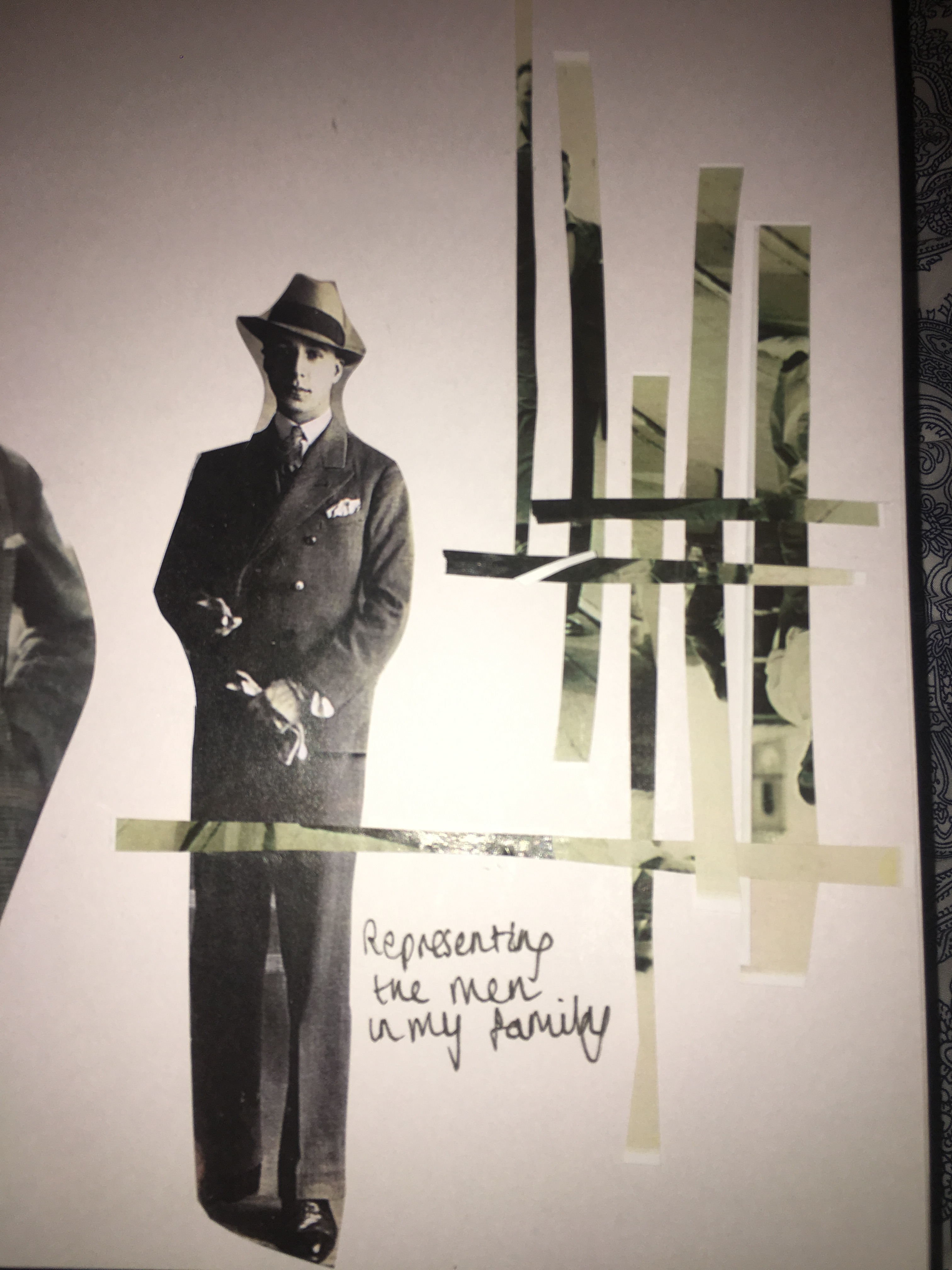
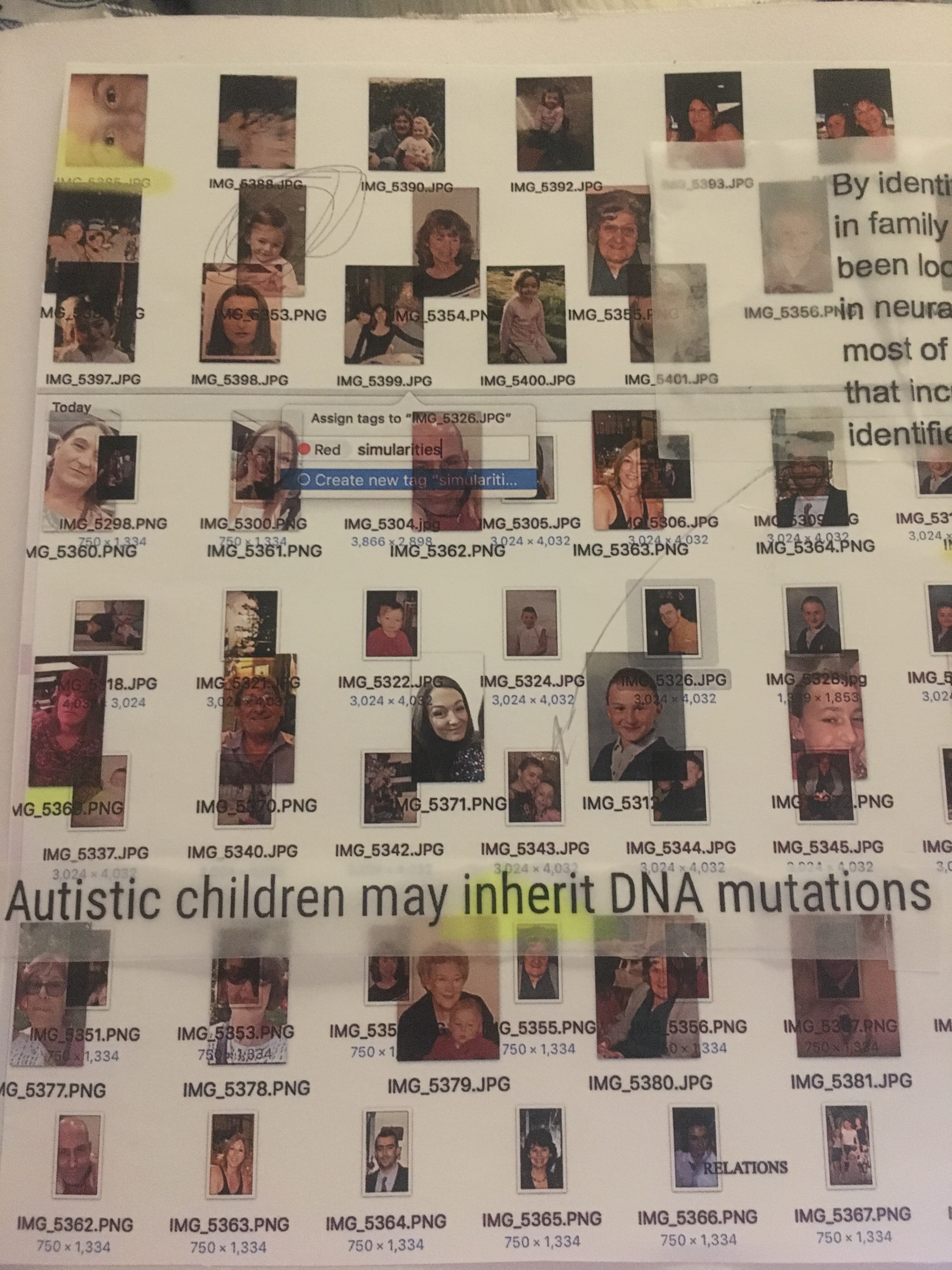
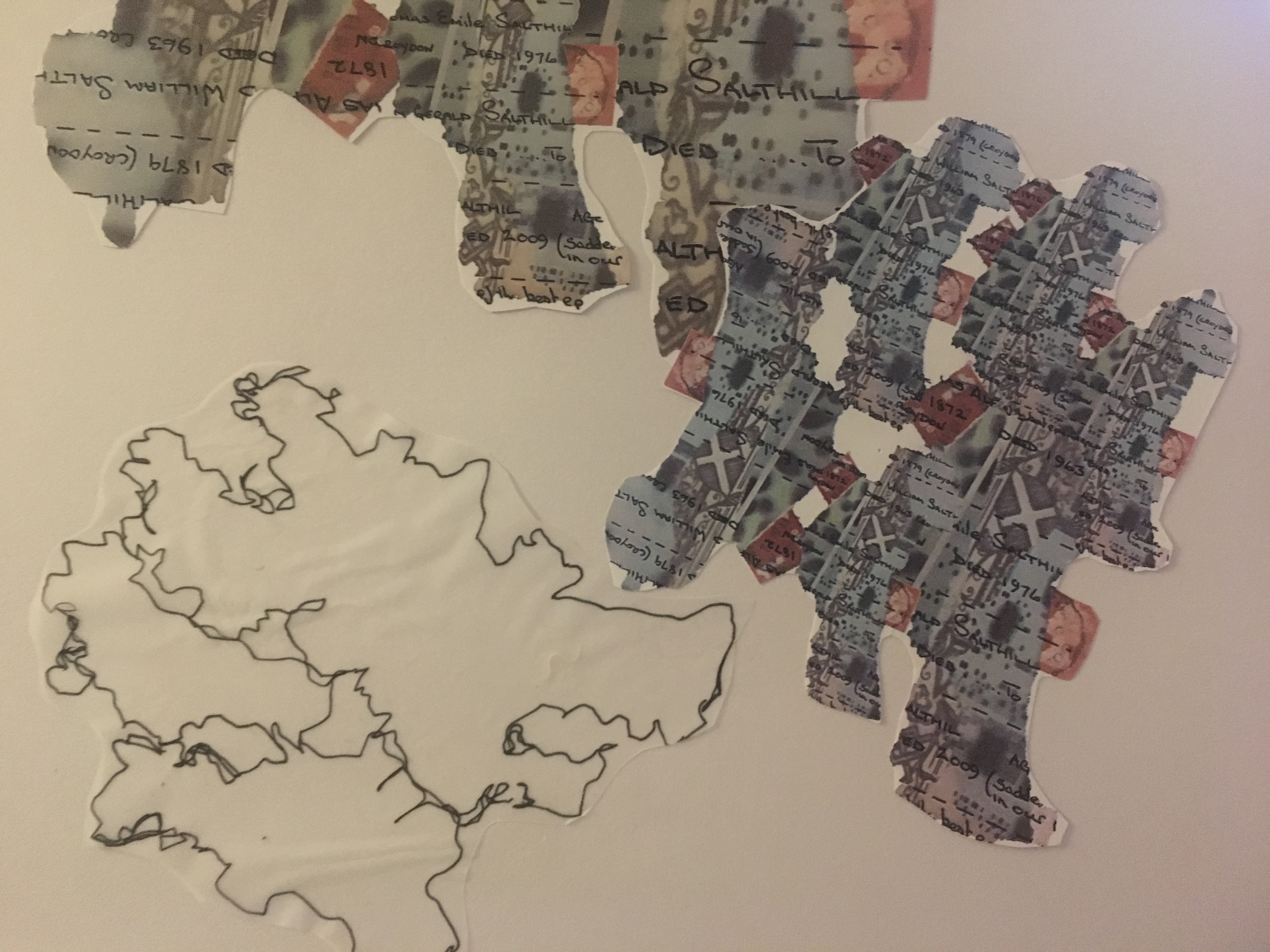
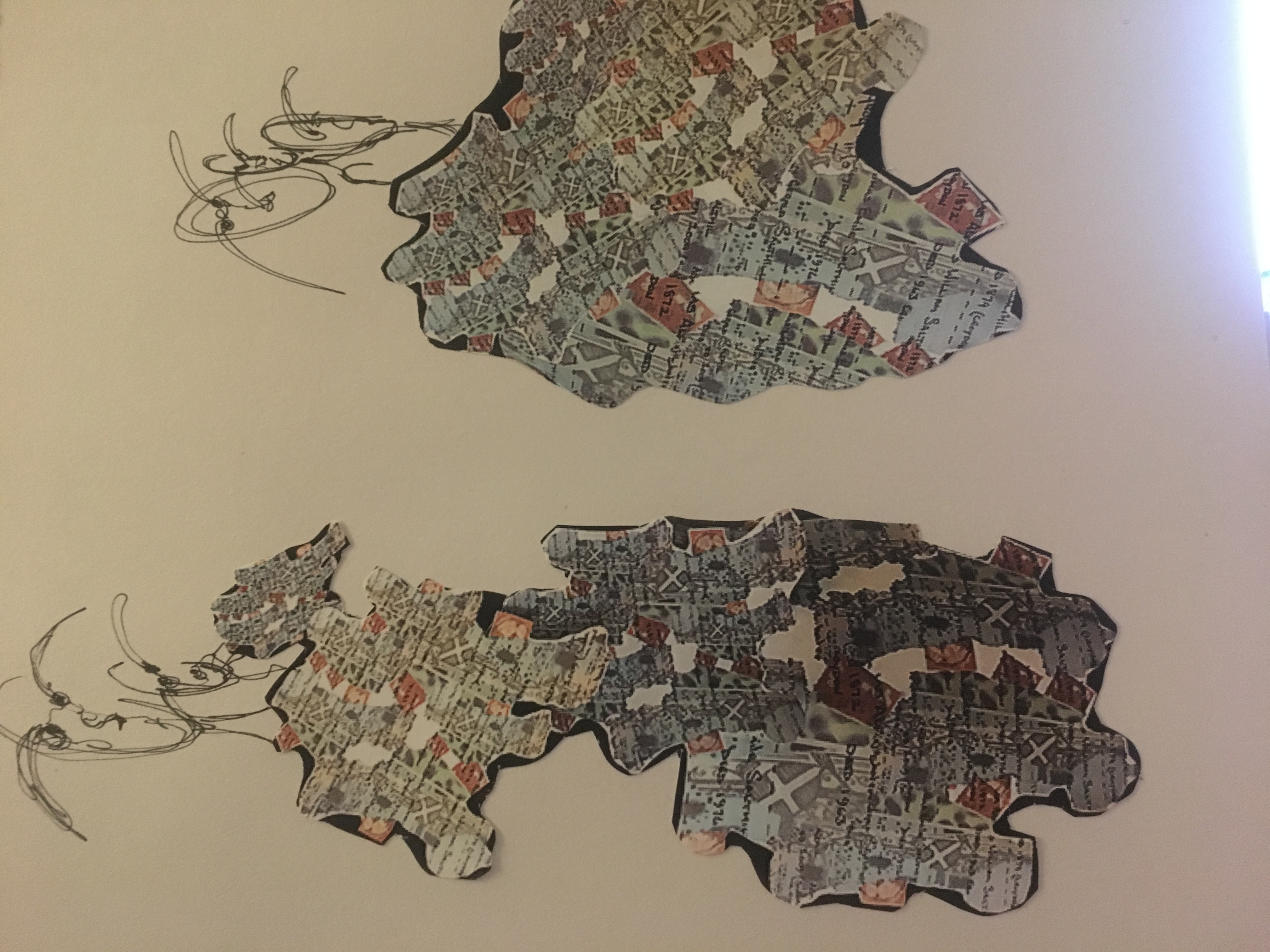
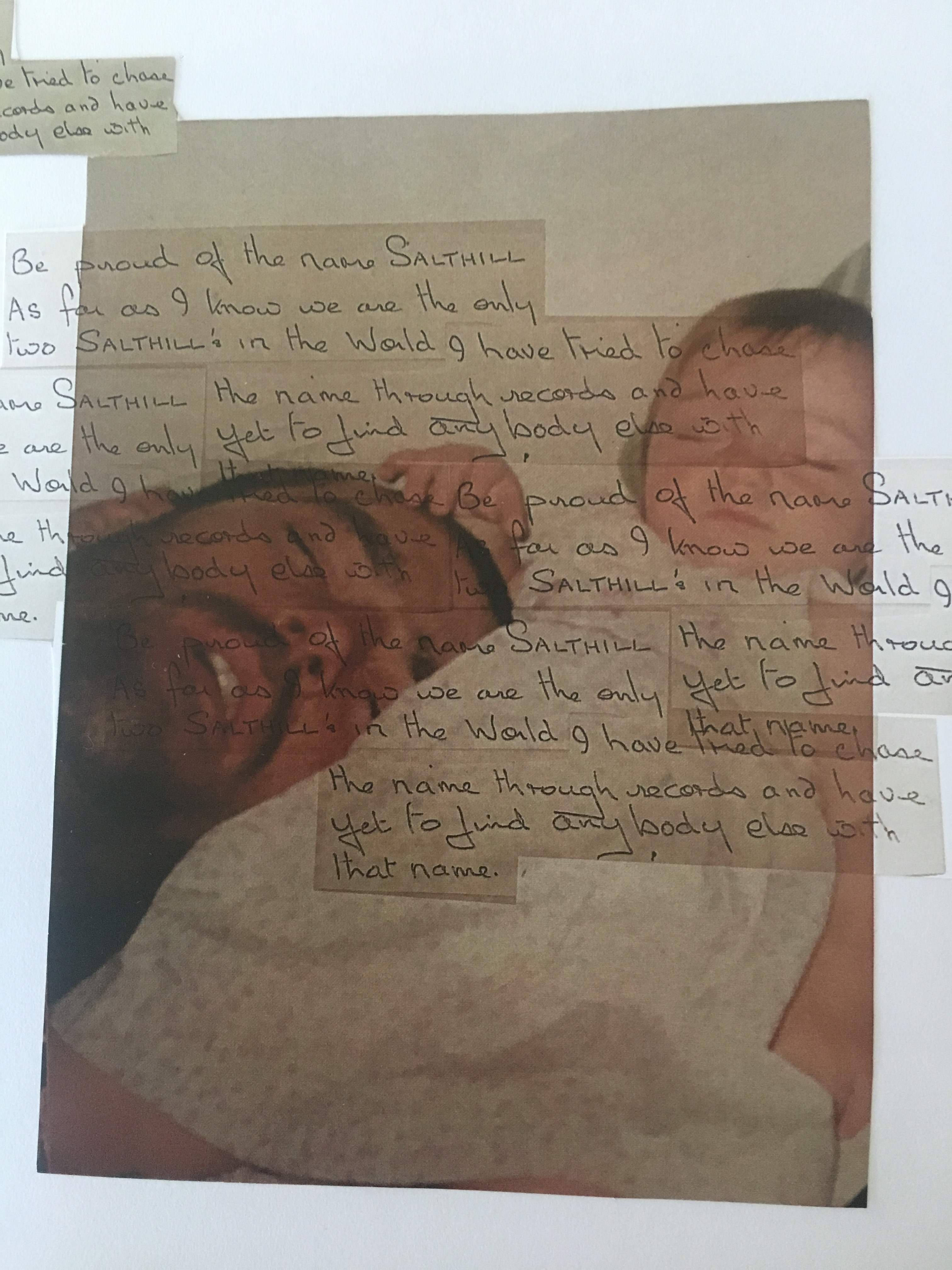
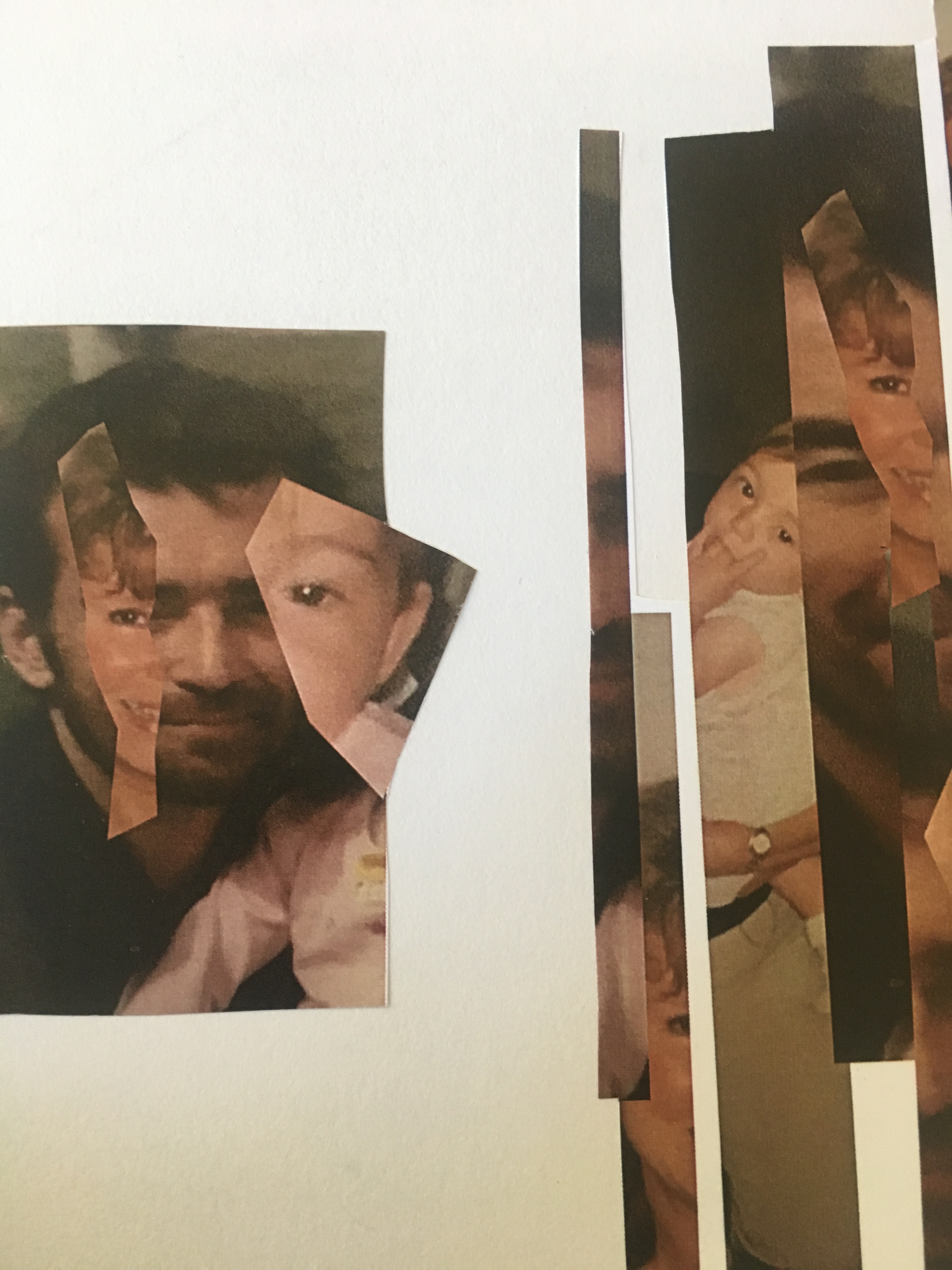
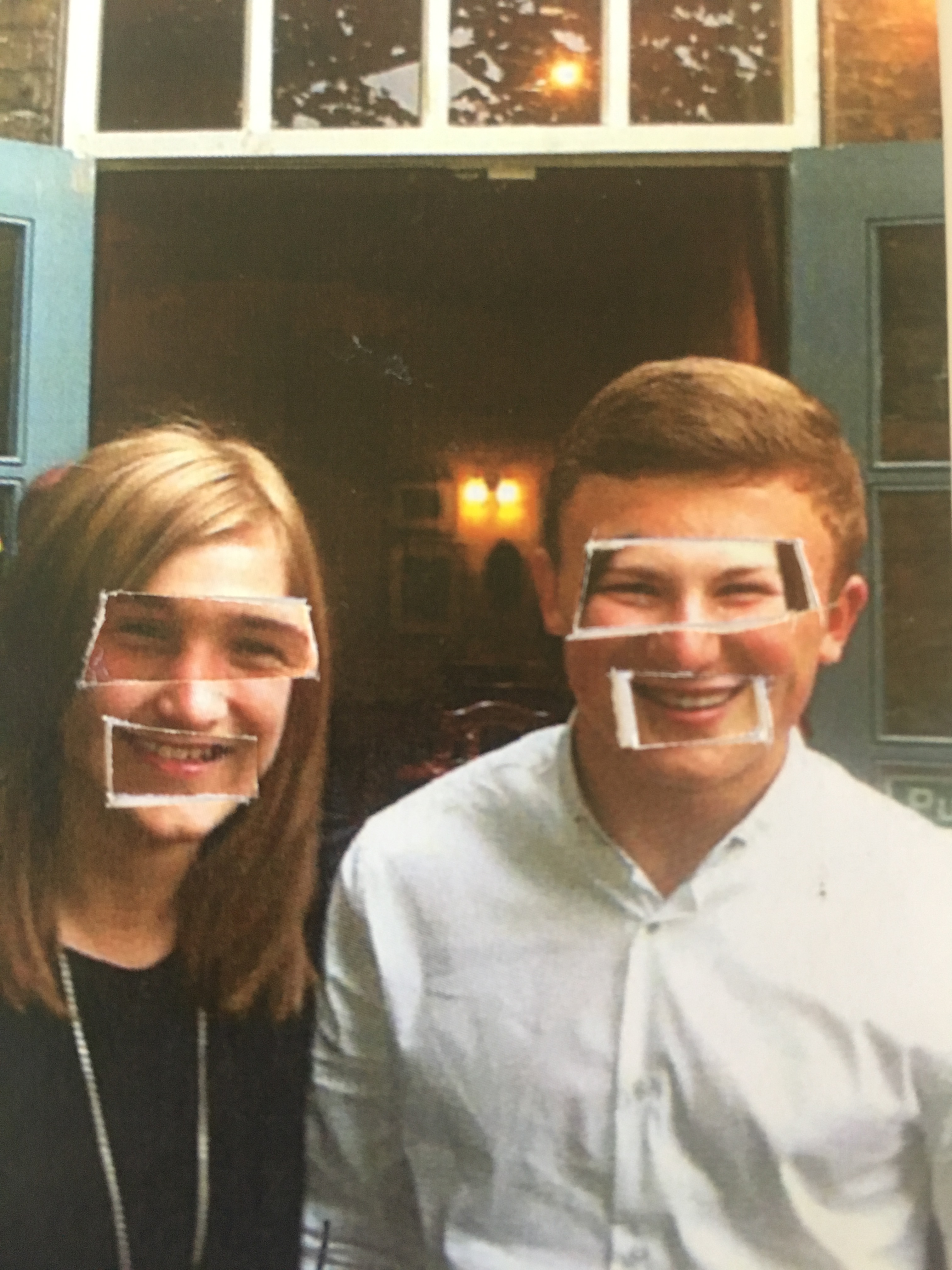
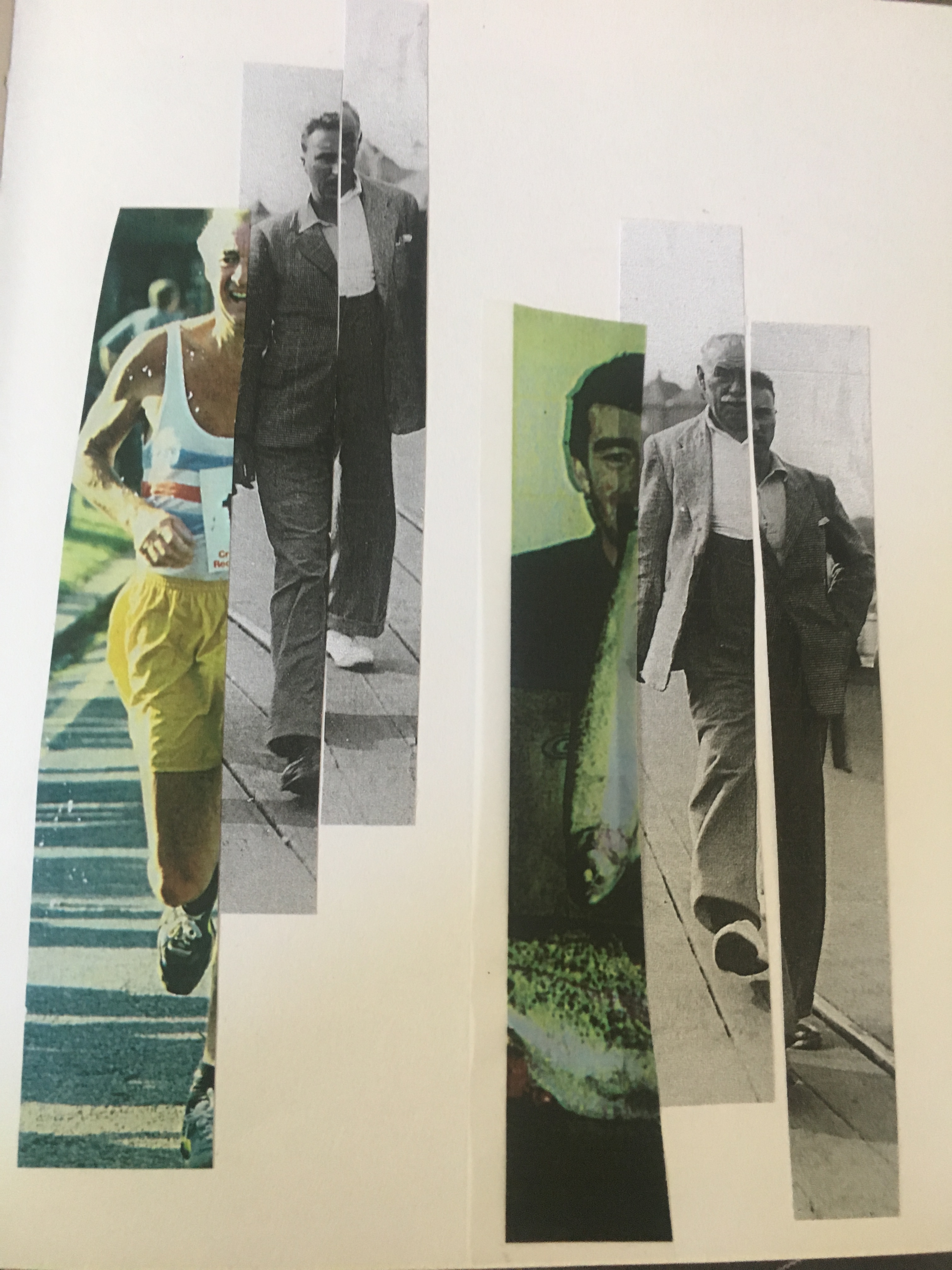
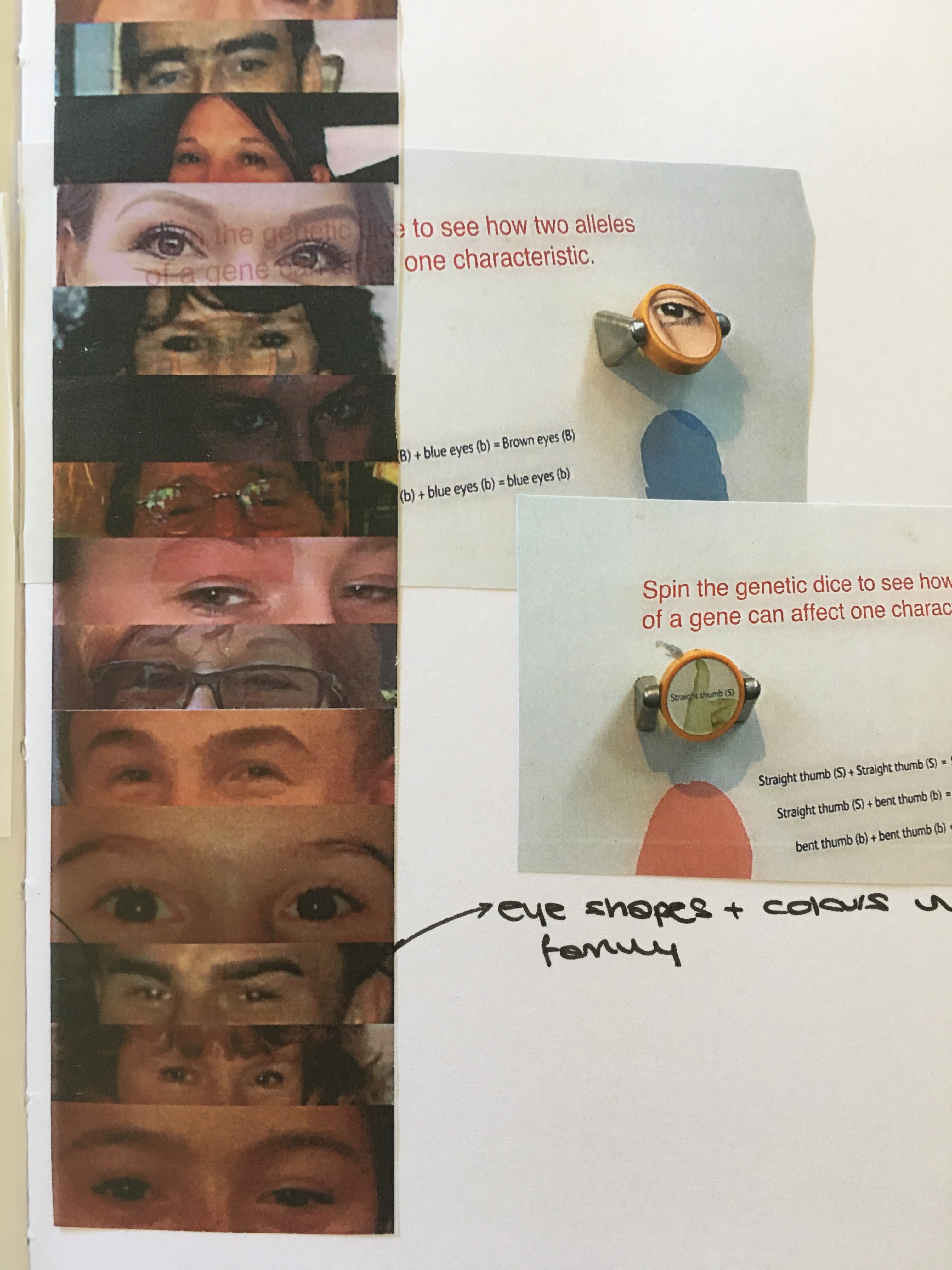
My project is about traits, characteristics and appearances/features that have been carried through generations in my family, I have been discovering traits by analysing and collaging photographs of my family, I have also been looking into my family tree, using my resources that my grandfather gave me, which consists of a written and photographs of my family tree with information back to 1819, having this resource meant I could accurately investigate physical appearance traits that have been passed, and with family conversation, I could find out personality traits that still belong to my family now, that may have steamed from my ancestry. |
| 2. Describe how research, analysis and evaluation helped you to feed ideas and develop concepts? |
|
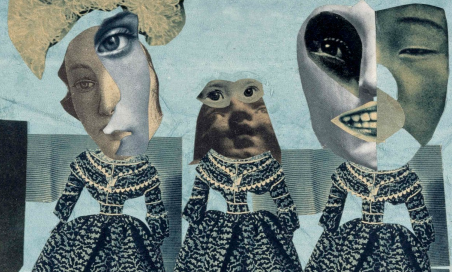
My idea was explored with background research on genetics, traits and DNA, through books, museums and online. I also have primary research regarding my family through photography, face to face conversation, background research and an ancestry family timeline. I visited museums including ‘moderns couples exhibition’ -Barbican Gallery, History and Science museum and Banksy museum – Amsterdam. As well as secondary research, online and in the library. These resources gave me inspiration, motivation and an idea flow throughout the project, my research helped me to evolve my ideas and develop my knowledge on genes And genetics itself, so I could understand and respond to it with ideas that were triggered by the research I was finding. Reflecting on my work weekly through my blog really created structure within my work. In the development stage time management was an issue for me, writing a blog through FMP really improved my time management, it helped me stay focused and to plan my time effectively, ensuring I was completing all tasks on time and to analyse and follow what I was doing each week. Reflecting on my work weekly helped me to make improvements and to solve the problems I was facing, as well as keeping in sync and evolving my project fluently. |
| 3. What specialist skills and methods did you use to realise your project? |
|
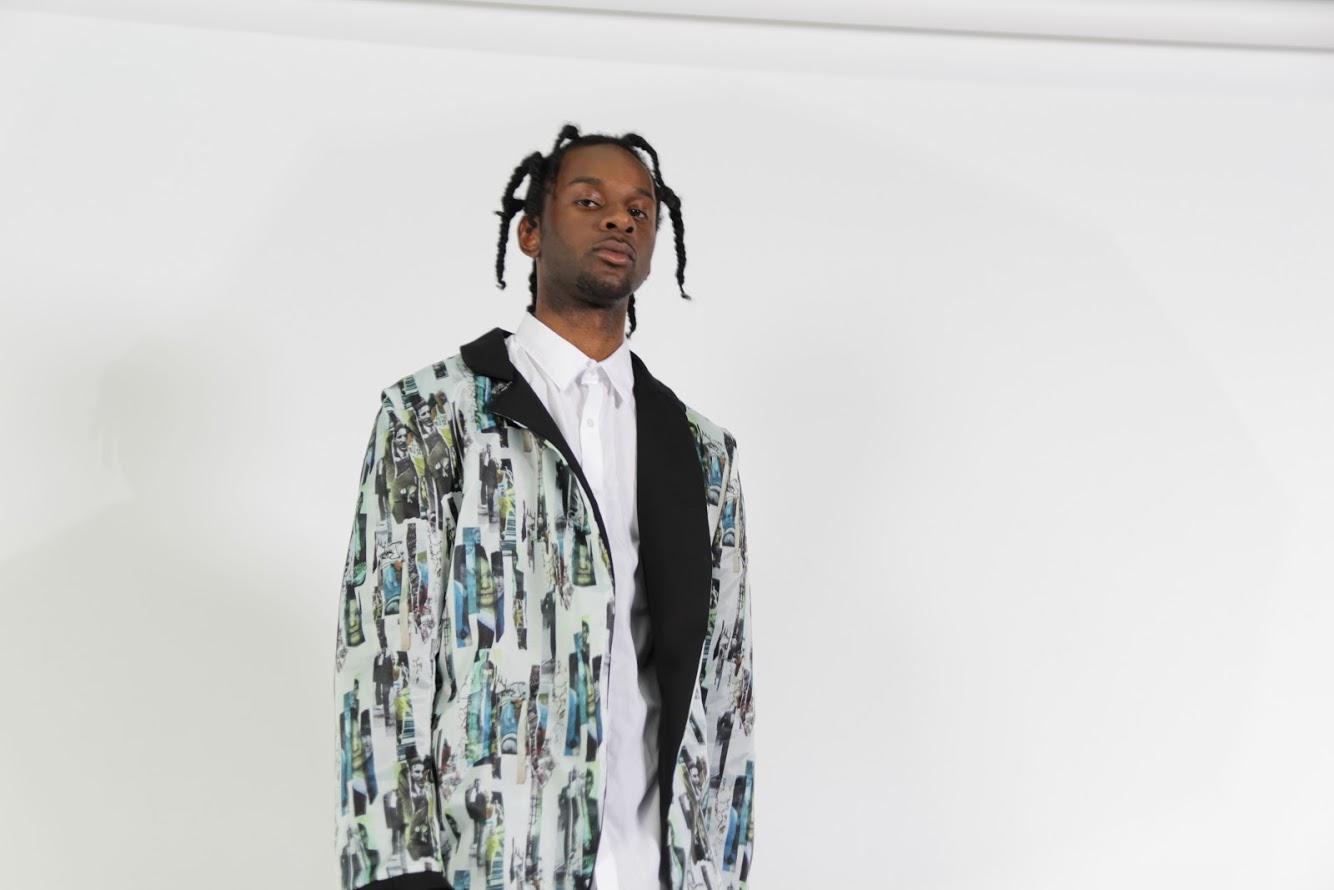
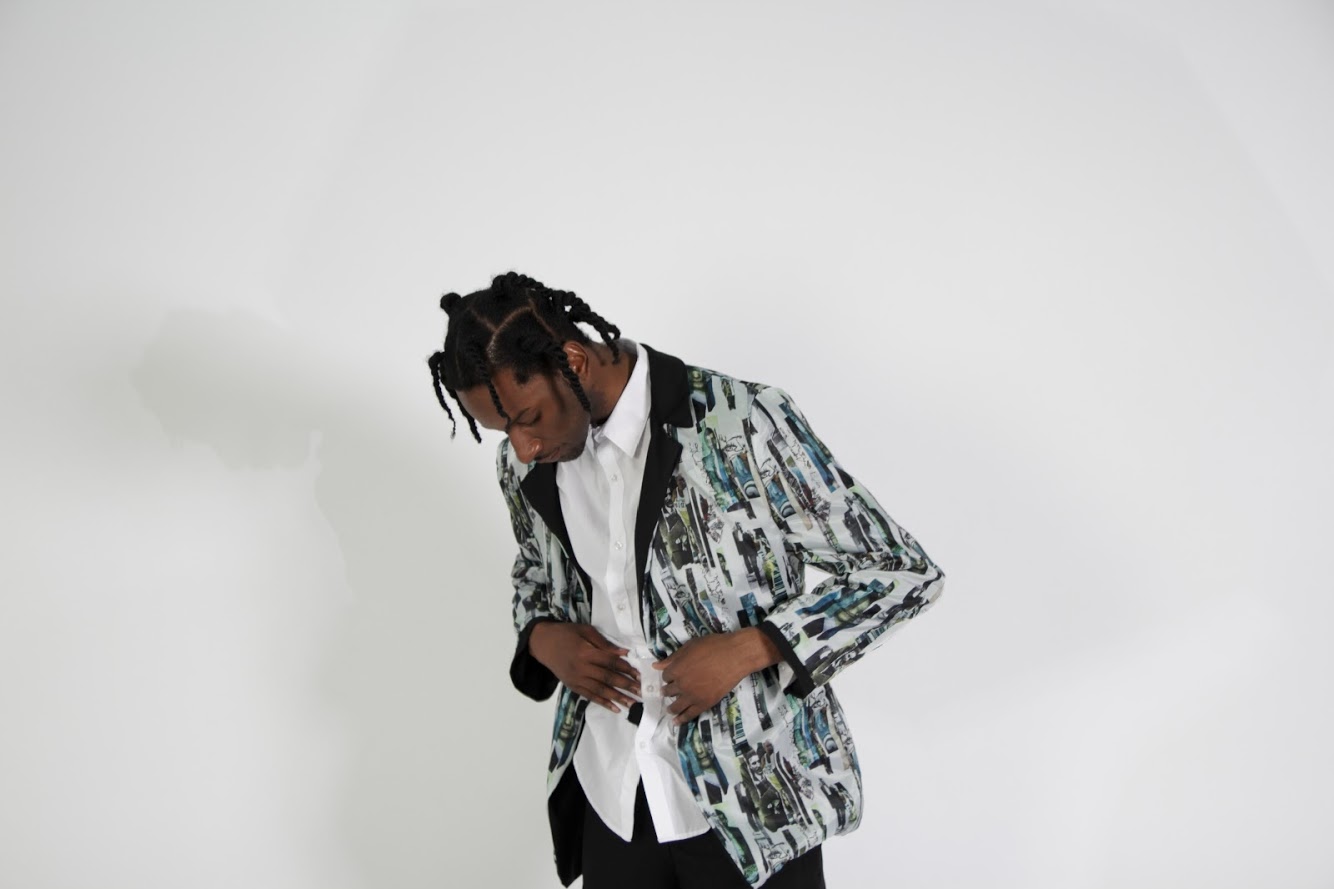
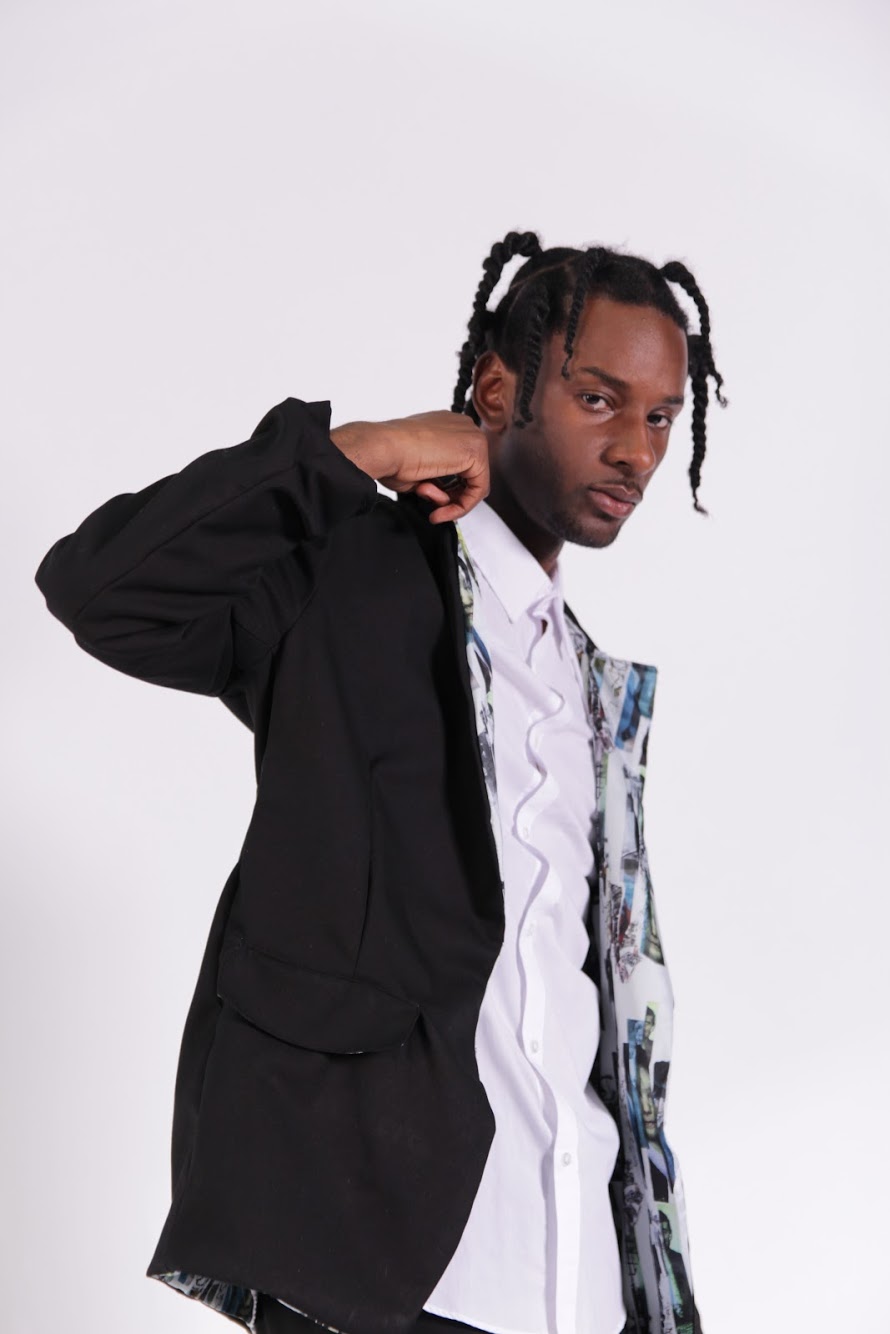
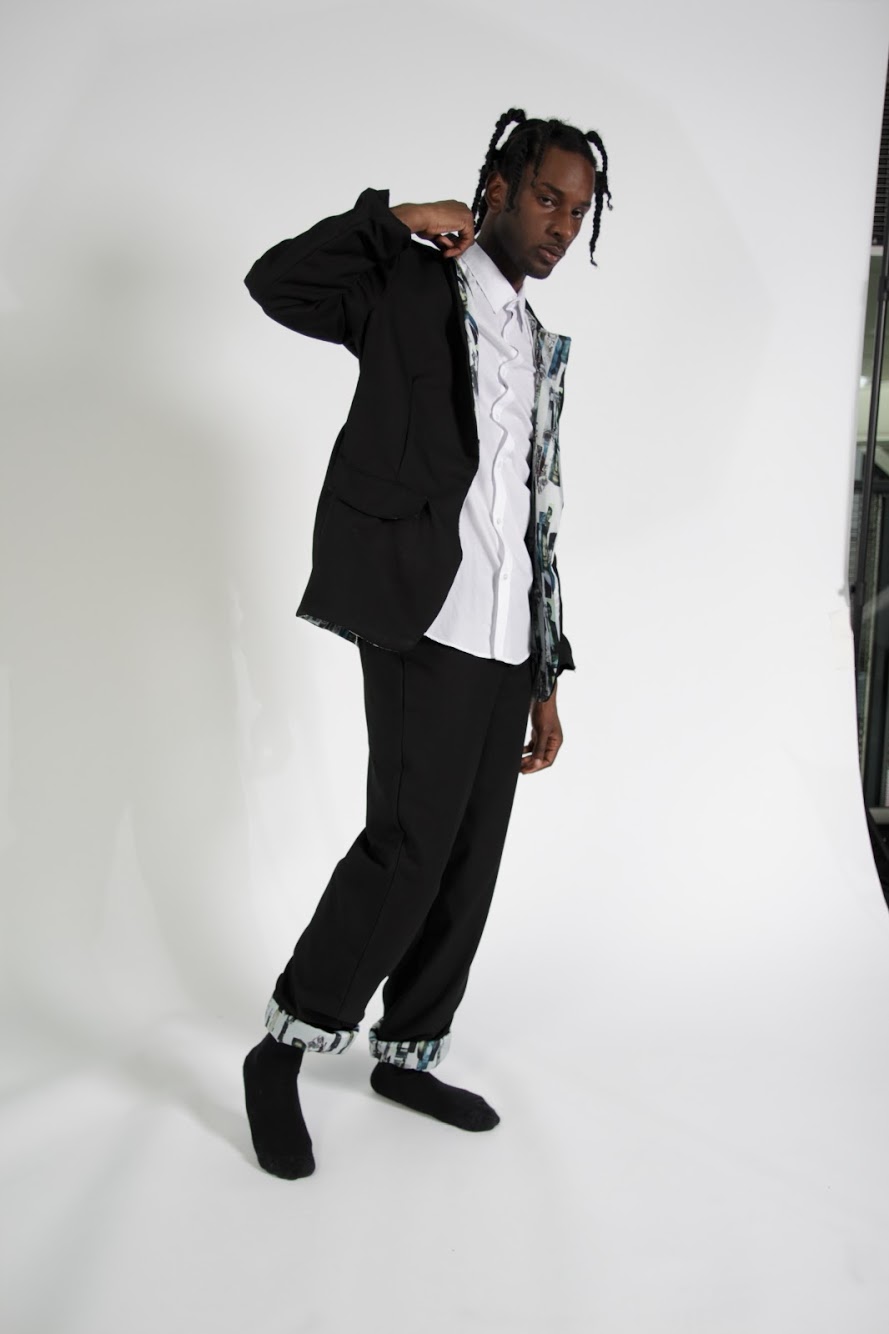
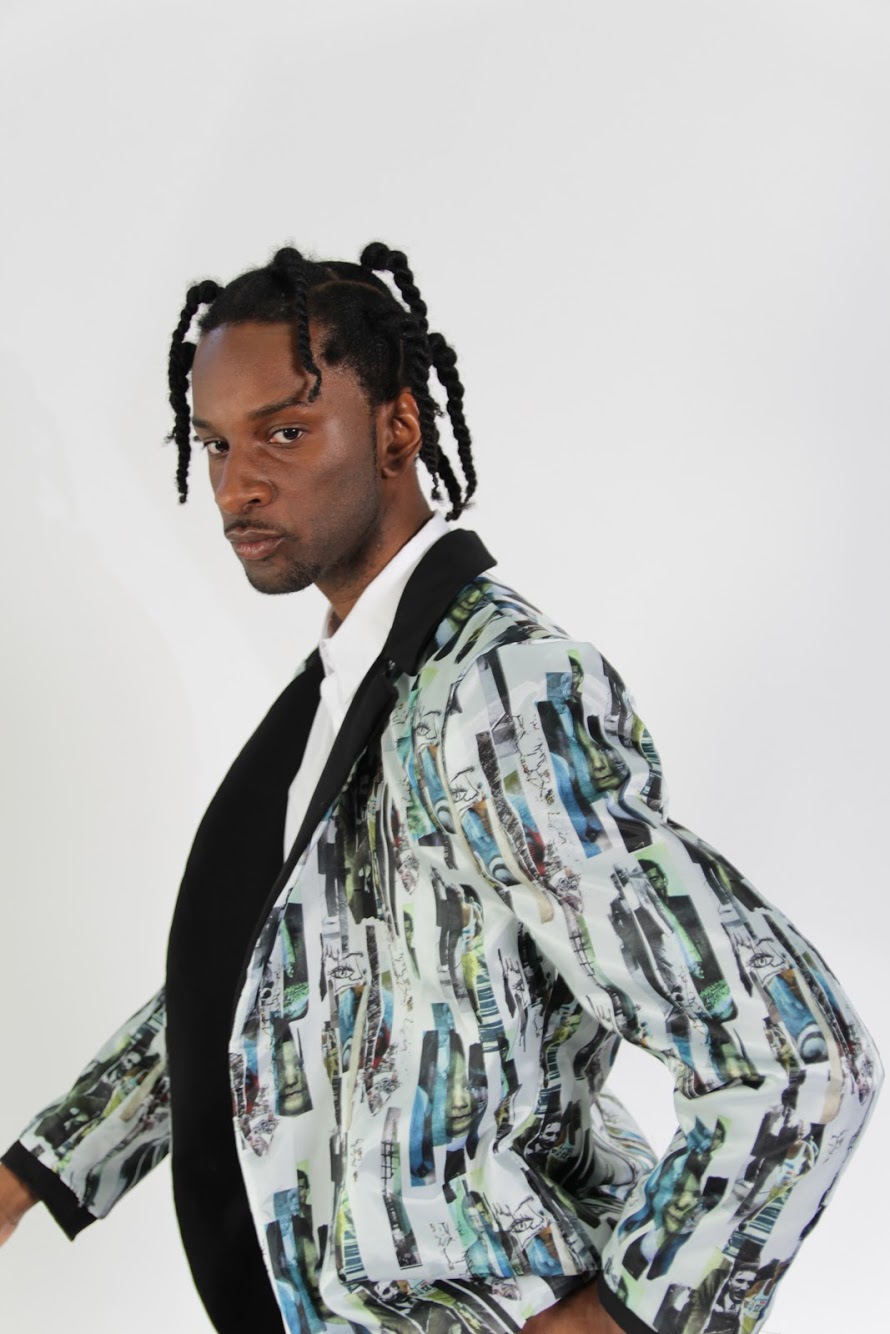
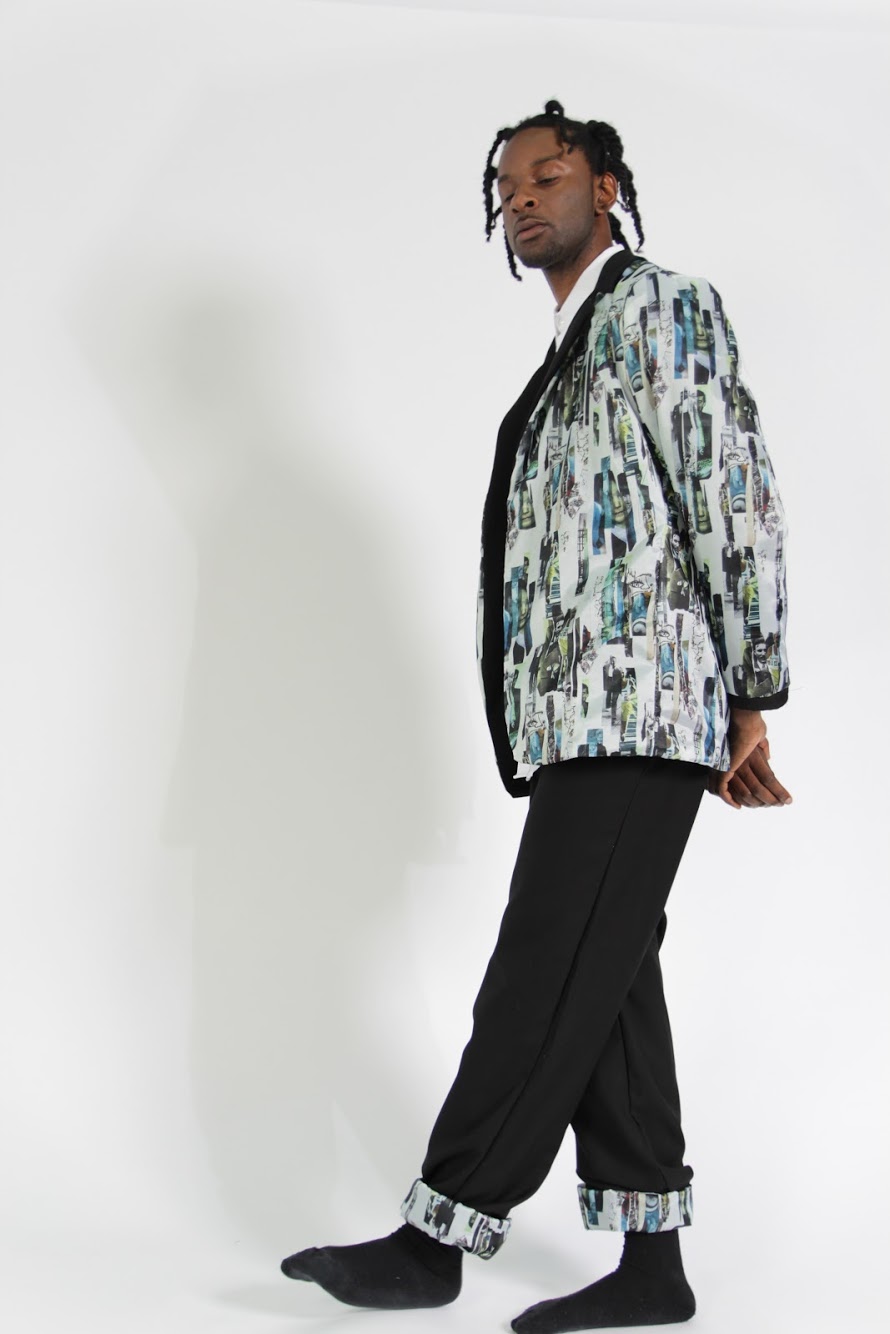
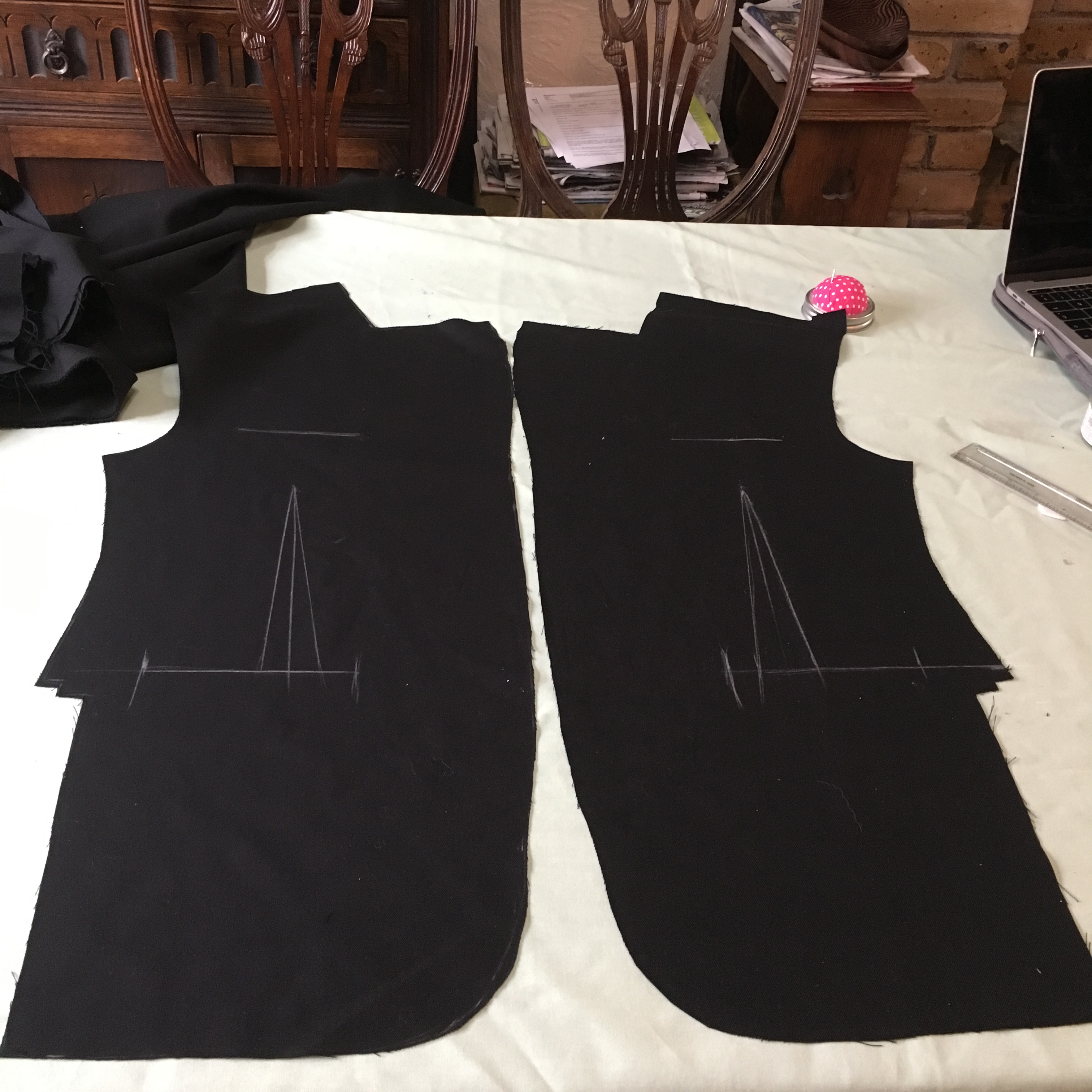
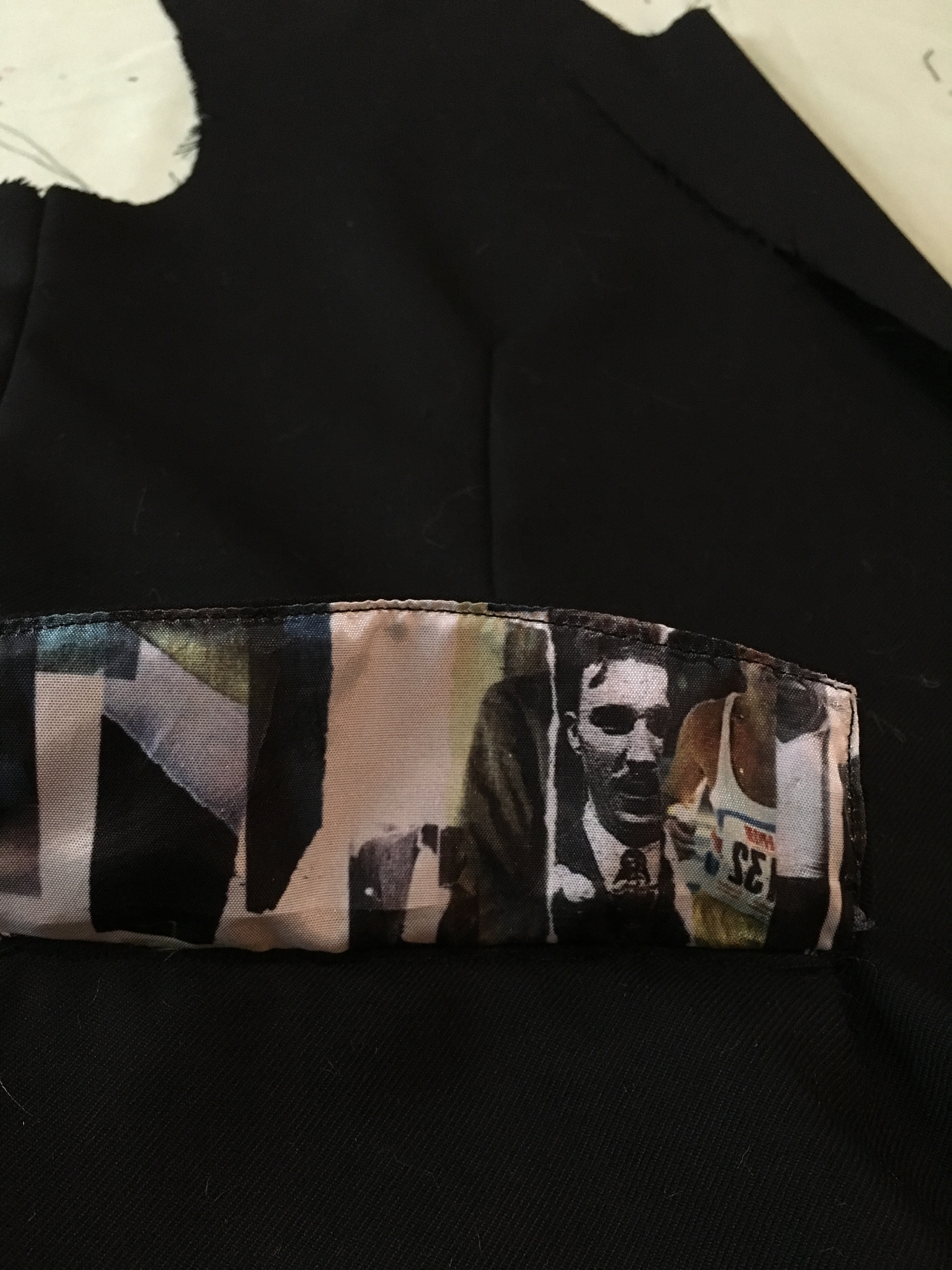
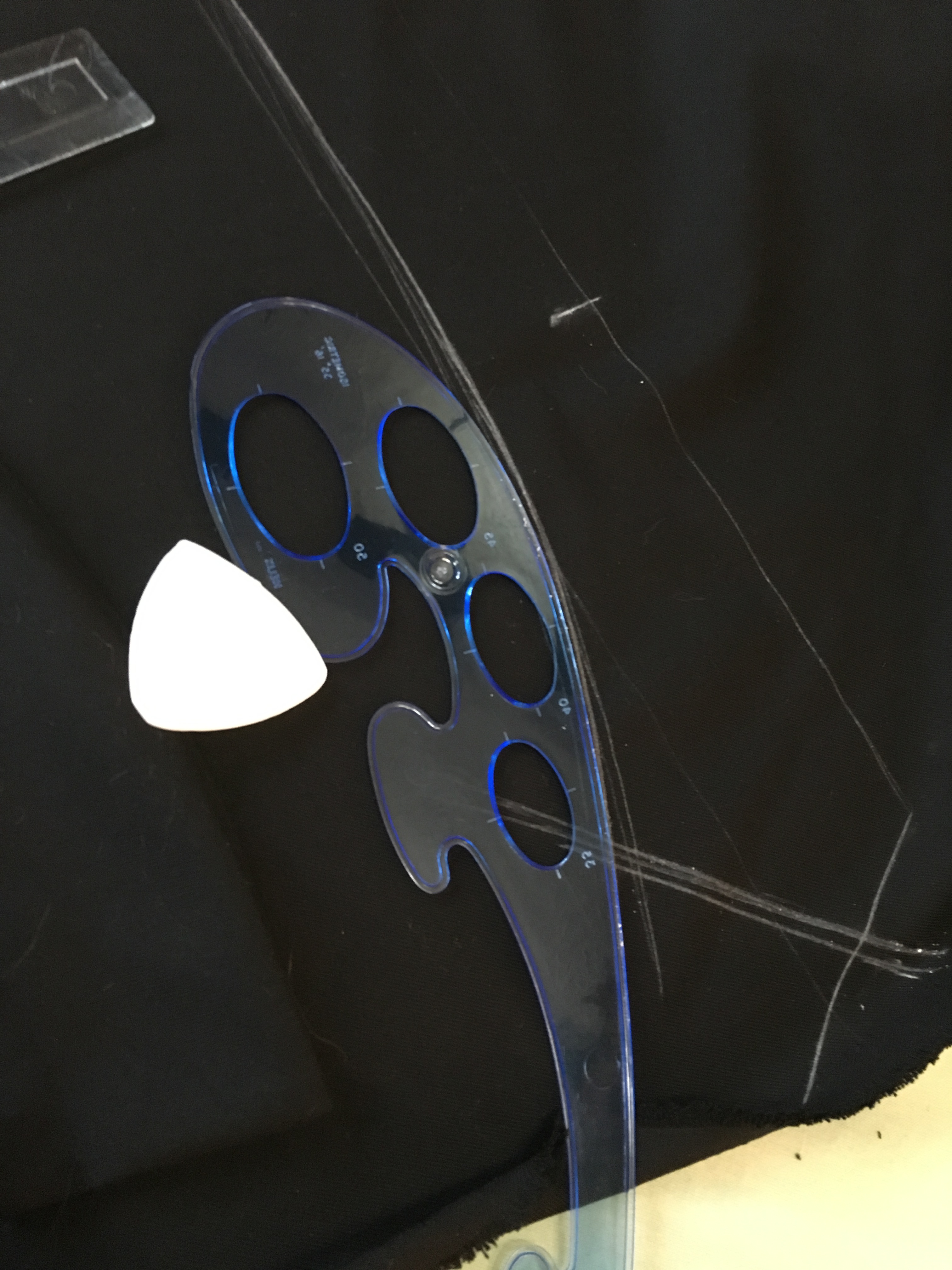
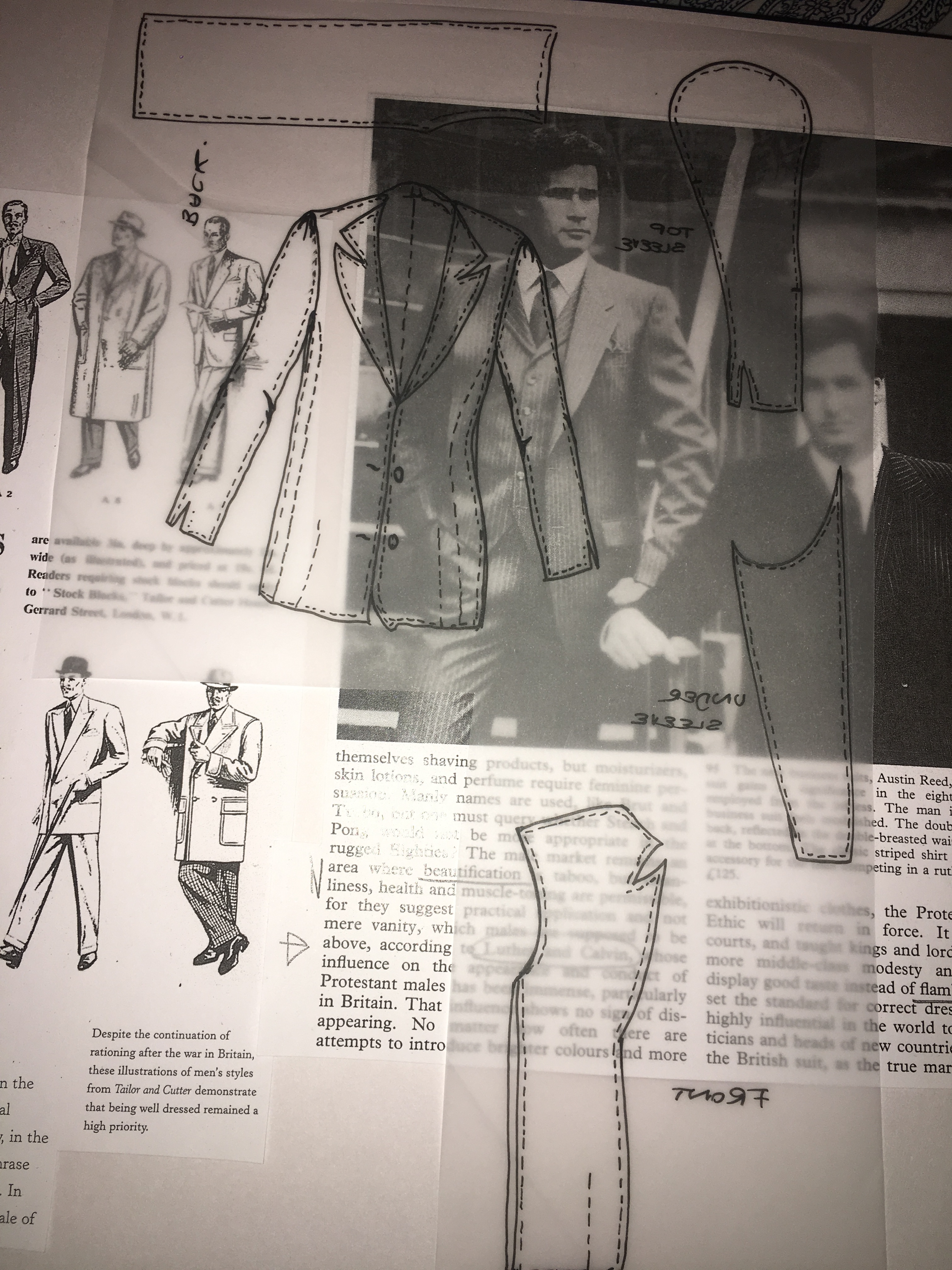
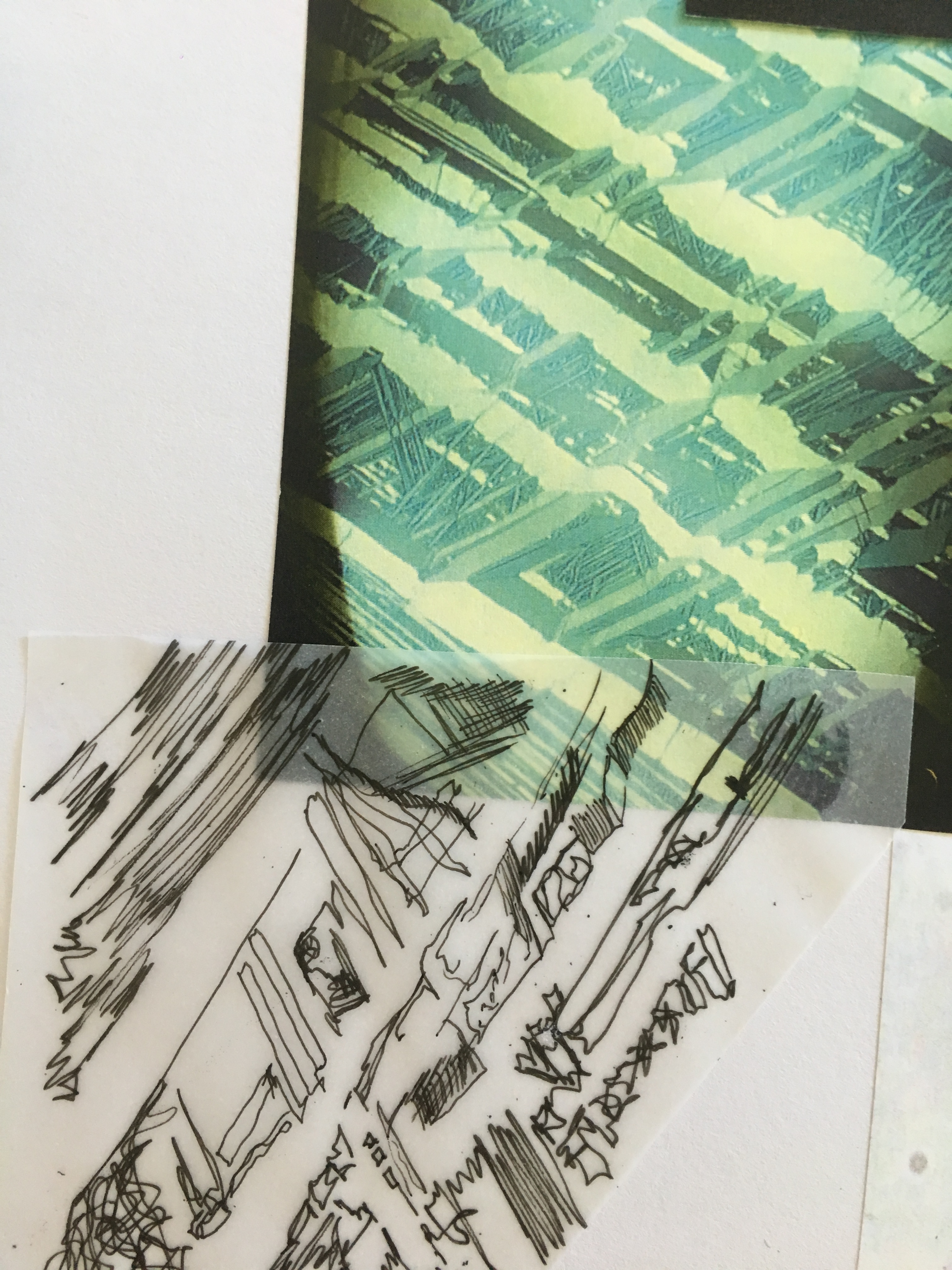
My FMP research consisted of collaging, painting with mark making techniques inspired by artists, photoshop designing, following with heat pressing samples, machine stitching, weaving and photoshop editing. My development consisted of stand work converting my ideas from 2D to 3D. Continuous line drawing and fabric manipulation. My final garment consisted of designing a pattern on photoshop using digital techniques with collages that I had previously put together. After I was happy with the pattern, ensuring the repeat pattern was hidden, I defined it and used the heat press to print it on my lining, toiling. The making stage consisted of pattern cutting, tailoring skills and technical drawings. |
| 4. How did you integrate practical, theoretical and technical understanding to solve complex problems within your FMP? Please use examples. |
|
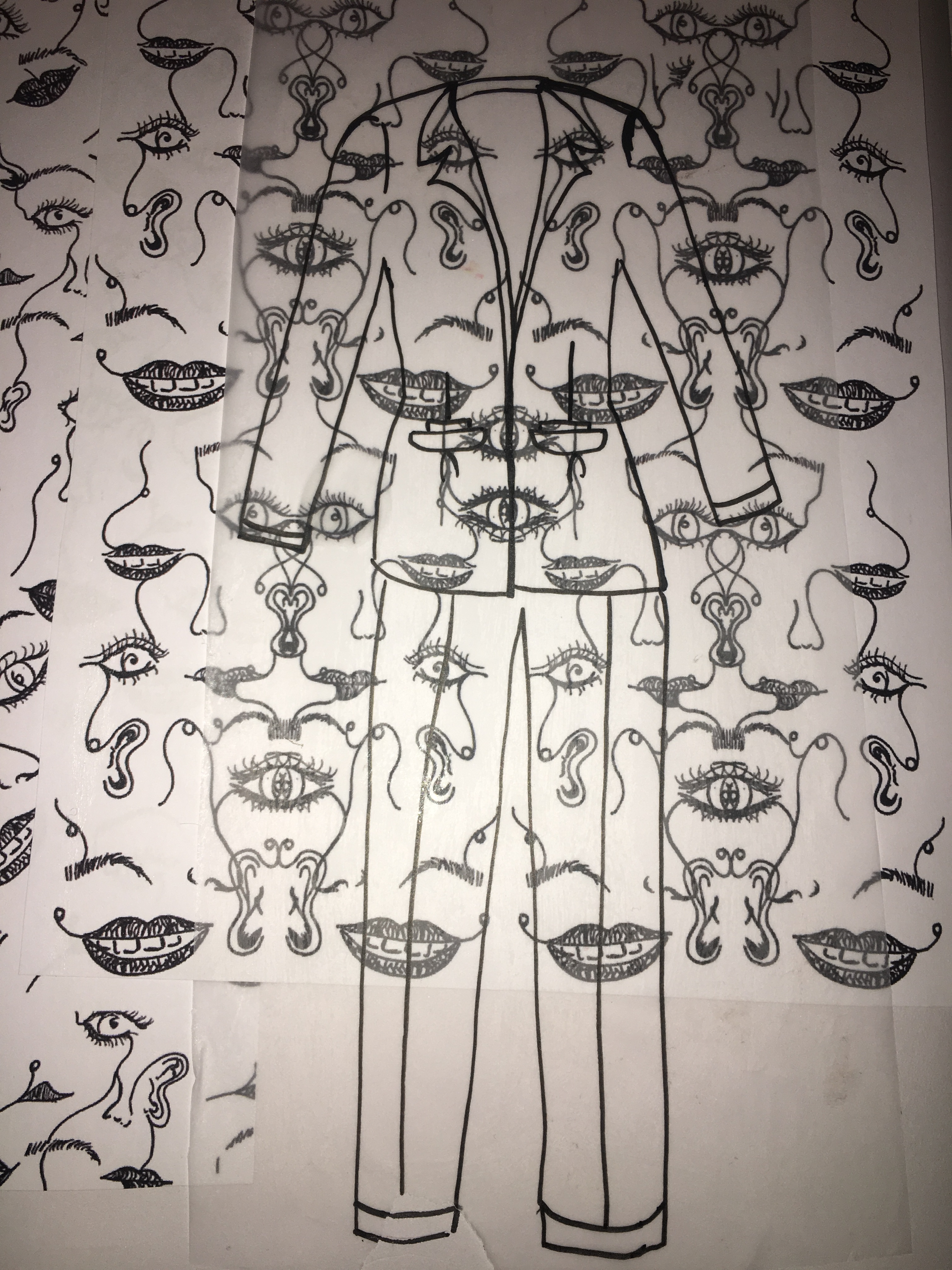
When designing for my final prints, I designed a series of prints with illustrations of facial features, I was very keen on these and was about to print in on my final fabric, but after looking at the print I came to the conclusion it didn’t completely follow my concept and development throughout, there features weren’t focused on my families features, this is when I decided to change my print, to bring more in from my research and continue to develop the ideas I had created. I came out with the perfect print for my project with the correct colour palette. When also designing the pattern on photoshop I started with the wrong sizing, which delayed the process as I couldn’t save it onto my laptop, until I visited my tutor and it was corrected. When making my toile I made some minor sewing mistakes which meant I had to unpick and re pinned it, I also didn’t leave a seam allowance and the suit jacket came out smaller than I imagined, which meant it was beneficial making a toile due to saving costs and materials. I also changed the lapels on the suit jacket, added a collar and added pockets, therefore a few things were changed/improved from the toile and I created collar, lapel and pocket patterns myself. When I first sewed the lining to the suit jacket I sewed the arms wrong so when I unfolded it the arm was like a loop, therefore I had to unpin and re do it. |
| 5. What systems/ tools did you use to plan your project and how effective were they to organise and develop your work? |
|
I effectively organised my project by following a planned timetable week by week, which was really beneficial for me as it helped me stay on track and helped me achieve what I needed to in a week and not to fall behind, It kept my project moving and constant, I also had a rule where whenever I got an idea for the project, no matter how small or big, I would write it down and go back to, this helped my work link together. Having group And one to one tutorials really helped me, as you don’t always notice improvements that need to be made or things that may be missing. note-taking was vital in tutorials as I was bundled with feedback from peers and my Tutor which means there was improvements throughout my project. Blogs were also a great way to develop my work in a organised manor, that guided me, helped me understand every aspect of my project and to plan moving forward. |
| 6. What type of evaluative and reflective records did you keep? How did this help you develop your learning? Please use examples. |
|
I have notes from all tutorials I have been in, my own notes when an idea popped into my head, the mid point assessment meant I had lots of helpful, positive criticism from my peers, I appreciate my peers looking at my work and giving me feedback to improve on, for example when at mid point my peer asked about my customer and I had an idea but nothing in writing or in my sketchbook, just an idea in my head. Therefore I acted upon my feedback and created a mood board for my customer and did some background research to define it and then put it on my blog. I also kept an updated blog and instagram, to indulge into my project and express myself through many Different platforms. I also had a pinned wall on Pinterest to create a mood board and to visually see where my project is gouge. |
| 7. Who is your intended audience? Describe techniques and methods you used to communicate your idea to them. |
|
My intended audience is businessmen with style, I created the perfect customer profile, based on research on menswear summer 19. Looking into WGSN, and also looking and always being updated on instagram, with the highest brand. Age range between 23-35, with social interests and a vibrant personality, whose slightly relaxed but works hard. If I were to try and target my audience, I would most probably do advertising in Canary Wharf, due to buildings and workplace. I would also create an online website and access their attention through social media. |
|
8. Overall summary: Describe the key points to take away from this experience. In what ways will your approach to creative production change in future as a result
|
|
Overall Im overjoyed by the opportunity I have been given with this project, I have learnt how to define a concept, how to develop an idea in a variety of ways with different techniques, media and using a wide range of resources. I will be taking away photoshop skills, technical drawing, draping. I have also learnt how to solve problems I have come across and value feedback from peers and tutors. I have also learnt the basics of tailoring and really enjoyed making menswear for the first time. In the future I will approach my next step of education with a confident, well developed fashion design mind with ideas evolving constantly and wanting to get the best out of what I’m doing, this course has improved my time management massively as well as planning and production which is two skills I will most definitely be using in my future. |


 ASCSFashion